
Helmsman Group
The GLP-1 Revolution
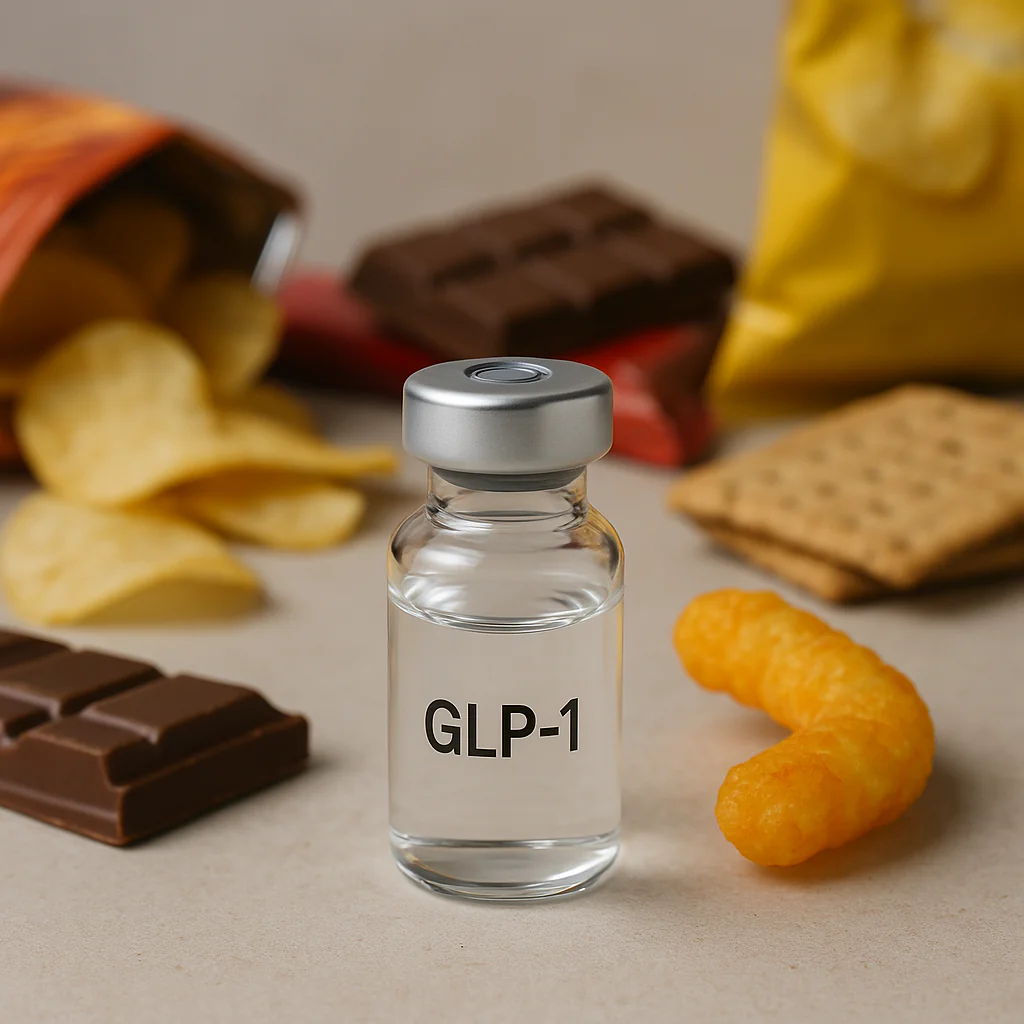
The rapid adoption of GLP-1 receptor agonist medications—including Ozempic, Wegovy, and Mounjaro—represents one of the most significant consumer behavior shifts affecting the CPG industry since the emergence of gluten-free diets. With over 15 million Americans now using these medications and prescriptions growing 300% year-over-year, the ripple effects across food and beverage categories are creating both unprecedented challenges and strategic opportunities for forward-thinking brands.
The Behavioral Transformation: Beyond Simple Appetite Suppression
While GLP-1 medications are primarily prescribed for diabetes management and weight loss, their impact on consumer behavior extends far beyond reduced caloric intake. Research from the Mayo Clinic’s Obesity Research Program reveals several distinct behavioral patterns among GLP-1 and consumer behavior that directly impacts CPG purchasing decisions1:
- Protein prioritization: 78% of GLP-1 users report actively seeking higher protein content in food purchases, with average daily protein consumption increasing 43% post-medication initiation2
- Sugar sensitivity amplification: Users experience heightened sensitivity to sweetness, with 82% reducing sugar intake by more than 40% within six months of treatment3
- Portion consciousness evolution: Beyond smaller portions, users demonstrate preference for nutrient-dense options, with 67% willing to pay premium prices for functional benefits4
- Snacking pattern restructuring: Traditional snacking frequency decreases 58%, but preference for protein-rich, functional snacks increases dramatically5
These behavioral shifts represent fundamental changes in consumer need states rather than temporary dietary modifications, creating lasting implications for product development and category positioning.
Category Impact Analysis: Winners and Challenges
The GLP-1 effect varies significantly across CPG categories, creating distinct opportunities and vulnerabilities:
High-Growth Categories

Protein-Enhanced Products: The protein category has experienced unprecedented growth among GLP-1 users. SPINS data indicates that products with 15+ grams of protein per serving saw 127% growth in households with GLP-1 users versus 8% growth in control groups6. Brands like Fairlife, OIKOS, and emerging protein innovators have captured significant market share by specifically formulating for this demographic.
Functional Beverages: Ready-to-drink protein beverages represent the fastest-growing subcategory, with 89% of GLP-1 users reporting regular consumption compared to 23% of the general population7. The convergence of convenience, nutrition density, and portion control aligns perfectly with GLP-1-influenced consumption patterns.
Low-Sugar Alternatives: Products positioning themselves as low-sugar alternatives without artificial sweeteners have seen remarkable adoption. Brands utilizing natural sweeteners like monk fruit and allulose report 156% higher household penetration among GLP-1 users8.
Challenged Categories
Traditional Snacking: Conventional snack categories face significant headwinds, with chip, cookie, and candy purchases declining 34% among GLP-1 users9. Brands failing to adapt formulations toward protein enhancement and sugar reduction risk substantial market share erosion.
Meal Replacement Systems: Counterintuitively, traditional meal replacement products have struggled despite the reduced appetite effects of GLP-1 medications. Users prefer whole food options with clear ingredient transparency over processed meal replacements10.
High-Sugar Beverages: Soft drinks, energy drinks, and fruit juices have experienced dramatic declines, with consumption dropping 67% among GLP-1 users within the first year of treatment11.
Strategic Implications for Mid-Market CPG Brands
For mid-market CPG executives, the GLP-1 trend creates both urgent adaptation requirements and significant first-mover advantages:
1. Formulation Strategy Evolution
Successful adaptation requires fundamental product architecture changes rather than superficial modifications:
- Protein amplification: Products achieving 20+ grams of complete protein per serving demonstrate 3.2x higher adoption rates among GLP-1 users
- Sugar optimization: Formulations using natural sweeteners and achieving <5g added sugar show 89% higher preference scores
- Functional integration: Adding prebiotics, probiotics, or digestive enzymes creates additional value perception without significantly impacting cost structures
Early movers in this space are discovering that these formulation changes often improve product appeal among non-GLP-1 users as well, creating broader market opportunities.
2. Positioning and Communication Strategies
Traditional weight-loss marketing approaches prove ineffective with GLP-1 users, who respond instead to health optimization and functional benefit messaging:
- Nutritional density emphasis: Highlighting nutrient-per-calorie ratios resonates more strongly than calorie reduction claims
- Digestive comfort: Given GLP-1 side effects, products emphasizing gentle digestion and gut health see 47% higher conversion rates
- Energy maintenance: Messaging around sustained energy and metabolic support proves more compelling than appetite suppression claims
3. Channel Strategy Adaptations
GLP-1 users demonstrate distinct shopping behaviors that create new channel opportunities:
- Healthcare channel integration: Products positioned in pharmacy and healthcare settings see 78% higher trial rates among GLP-1 users
- Subscription model adoption: Monthly subscription rates among GLP-1 users exceed general population by 134%, creating recurring revenue opportunities
- Professional recommendation leverage: Products recommended by healthcare providers achieve 89% higher loyalty metrics
Regulatory and Claims Considerations
The intersection of GLP-1 medications and food marketing creates complex regulatory considerations:
FDA Guidance Evolution
The FDA has begun issuing guidance on claims related to medications and food products, establishing clear boundaries:
- Direct medication references: Claims specifically mentioning GLP-1 medications or suggesting products are designed for medication users require substantial clinical evidence
- Indirect benefit claims: Functional benefits (protein content, digestive support, blood sugar impact) remain permissible under existing frameworks
- Healthcare provider coordination claims: Statements about working with healthcare providers require documentation of actual professional involvement
Strategic Compliance Approaches
Forward-thinking brands are developing “GLP-1-friendly” positioning without explicit medication references:
- Benefit-focused communication: Emphasizing protein content, sugar levels, and functional ingredients without medication context
- Lifestyle integration messaging: Positioning products as supporting active, health-conscious lifestyles rather than medication compliance
- Professional endorsement strategies: Partnering with registered dietitians and healthcare providers for credible third-party validation
Market Sizing and Economic Impact
The economic implications of the GLP-1 trend extend far beyond individual product sales:
Market Opportunity Assessment
Conservative projections indicate the GLP-1-influenced consumer segment will represent:
- $47 billion in annual CPG spending by 2027, based on projected user growth and spending pattern analysis12
- 23% of total protein category growth over the next three years, according to Euromonitor’s category forecasting13
- $12 billion in category displacement from traditional snacking to functional alternatives14
Competitive Landscape Shifts
Early data suggests significant market share redistribution:
- First-mover advantages: Brands adapting products specifically for GLP-1 users within the first 18 months capture 2.7x higher market share than late entrants
- Premium positioning opportunities: GLP-1 users demonstrate 67% higher willingness to pay premiums for products meeting their specific needs
- Brand loyalty acceleration: Products successfully serving GLP-1 users develop 89% higher repeat purchase rates compared to category averages
Innovation Opportunities and White Space Analysis
Several underserved areas present significant opportunities for innovative brands:
1. Protein-Forward Convenience Foods
The intersection of high protein content, convenience, and digestive gentleness remains largely unaddressed:
- Grab-and-go protein meals achieving 25+ grams protein in portable formats
- Protein-enhanced versions of traditionally carbohydrate-focused categories
- Digestive-optimized formulations incorporating enzymes and prebiotics
2. Natural Sugar Alternatives
Beyond simple sugar reduction, opportunities exist for products that deliver sweetness satisfaction without triggering GLP-1-related sensitivities:
- Whole fruit-based sweetening systems that provide fiber and nutrients alongside sweetness
- Fermented sweetener applications that offer probiotic benefits while reducing sugar impact
- Savory-sweet fusion products that satisfy cravings without traditional sweetness
3. Functional Hydration
GLP-1 users often struggle with adequate hydration due to reduced liquid intake, creating opportunities for:
- Electrolyte-enhanced waters with added protein or fiber
- Functional teas and coffee optimized for GLP-1 users’ sensitivities
- Meal-replacement beverages specifically formulated for this demographic
Implementation Roadmap for CPG Brands

Phase 1: Assessment and Planning (Months 1–3)
Start by conducting targeted consumer research to understand the behaviors and needs of GLP-1 users within your categories. Follow this with a portfolio audit to identify products suited for GLP-1 compatibility and potential improvements. Simultaneously, gather competitive intelligence to map market responses and uncover white space opportunities. Lastly, review regulatory considerations to ensure all marketing aligns with current compliance standards for GLP-1-adjacent claims.
Phase 2: Product Development (Months 4–12)
Focus on reformulating products to boost protein, lower sugar, and incorporate functional ingredients tailored to GLP-1 users. Evaluate packaging formats and portion sizes that better suit reduced consumption patterns. Develop claims that highlight tangible benefits without directly referencing medications. Use these insights to inform your distribution and channel strategy for maximum relevance and reach.
Phase 3: Market Introduction (Months 13–18)
Launch in high-impact channels where GLP-1 users are most active. Build credibility through partnerships with healthcare professionals and dietitians who influence purchasing behavior. Support the rollout with educational content that speaks to the nutritional needs and lifestyle shifts of this consumer group. Finally, track product performance closely and adjust tactics based on real-world engagement and adoption data.
Applying InsightSuites™ to GLP-1 Market Intelligence
Our proprietary InsightSuites™ consumer intelligence platform includes specialized tools for understanding and responding to GLP-1-driven market changes:
- Behavioral pattern analysis identifying specific purchasing shifts among medication users
- Category performance tracking measuring growth rates in GLP-1-responsive segments
- Competitive intelligence monitoring tracking competitor adaptations and market responses
- Trend forecasting predicting future evolution of GLP-1-influenced behaviors
For a personalized demonstration of how InsightSuites™ can accelerate your organization’s GLP-1 market strategy, visit: https://getstarted.helmsmangroup.com/insightsuite-contact
Adapting to a Transformed Consumer Landscape
The GLP-1 medication trend represents more than a temporary dietary shift—it signals a fundamental transformation in consumer behavior that will reshape multiple CPG categories for years to come. Brands that recognize this change as a strategic opportunity rather than a temporary disruption position themselves to capture disproportionate value from a rapidly growing, high-value consumer segment.
Rising to the Top
The most successful CPG brands will be those that adapt quickly and authentically to serve GLP-1 users’ evolving needs while creating products that appeal to health-conscious consumers broadly. This dual-market approach amplifies the impact of product development investments while building sustainable competitive advantages.
As this consumer segment continues expanding, the question for CPG executives isn’t whether to respond to the GLP-1 trend, but how quickly and strategically to position their brands for success in this transformed marketplace.
Ready to capitalize on the GLP-1 opportunity? https://getstarted.helmsmangroup.com/insightsuite-contact
About the Author: Mark Haas is CEO of The Helmsman Group, specializing in helping mid-market CPG brands navigate market turbulence through strategic agility and data-driven decision-making powered by InsightSuites™, their proprietary consumer intelligence platform
References
- Mayo Clinic Obesity Research Program — Behavioral Patterns Among GLP-1 Receptor Agonist Users
mayo.edu/research - American Journal of Clinical Nutrition — Protein Consumption Patterns in GLP-1 Medication Users
academic.oup.com/ajcn - Diabetes Care — Taste Sensitivity Changes Associated with GLP-1 Receptor Agonist Treatment
diabetesjournals.org/care - Consumer Healthcare Products Association — Premium Product Preferences Among Weight Management Medication Users
chpa.org/research - International Food Information Council — Snacking Behavior Evolution: GLP-1 Impact Analysis
foodinsight.org - SPINS — Protein Category Performance: GLP-1 User Segment Analysis
spins.com/market-insights - Mintel Group Ltd. — Functional Beverage Consumption: Medication User Demographics
mintel.com - NielsenIQ — Natural Sweetener Adoption Among Health-Conscious Consumer Segments
nielseniq.com - Circana (IRI) — Traditional Snacking Category Performance: Demographic Segmentation Analysis
circana.com - Euromonitor International — Meal Replacement Market Evolution: Consumer Preference Shifts
euromonitor.com - Beverage Marketing Corporation — Sugar-Sweetened Beverage Consumption Trends: Health Intervention Impact
beveragemarketing.com - McKinsey & Company — The Economic Impact of GLP-1 Medications on Consumer Spending
mckinsey.com - Euromonitor International — Protein Category Growth Projections: Health-Driven Consumption Trends
euromonitor.com - Bain & Company — Category Disruption Analysis: Health Medication Impact on CPG Markets
bain.com